
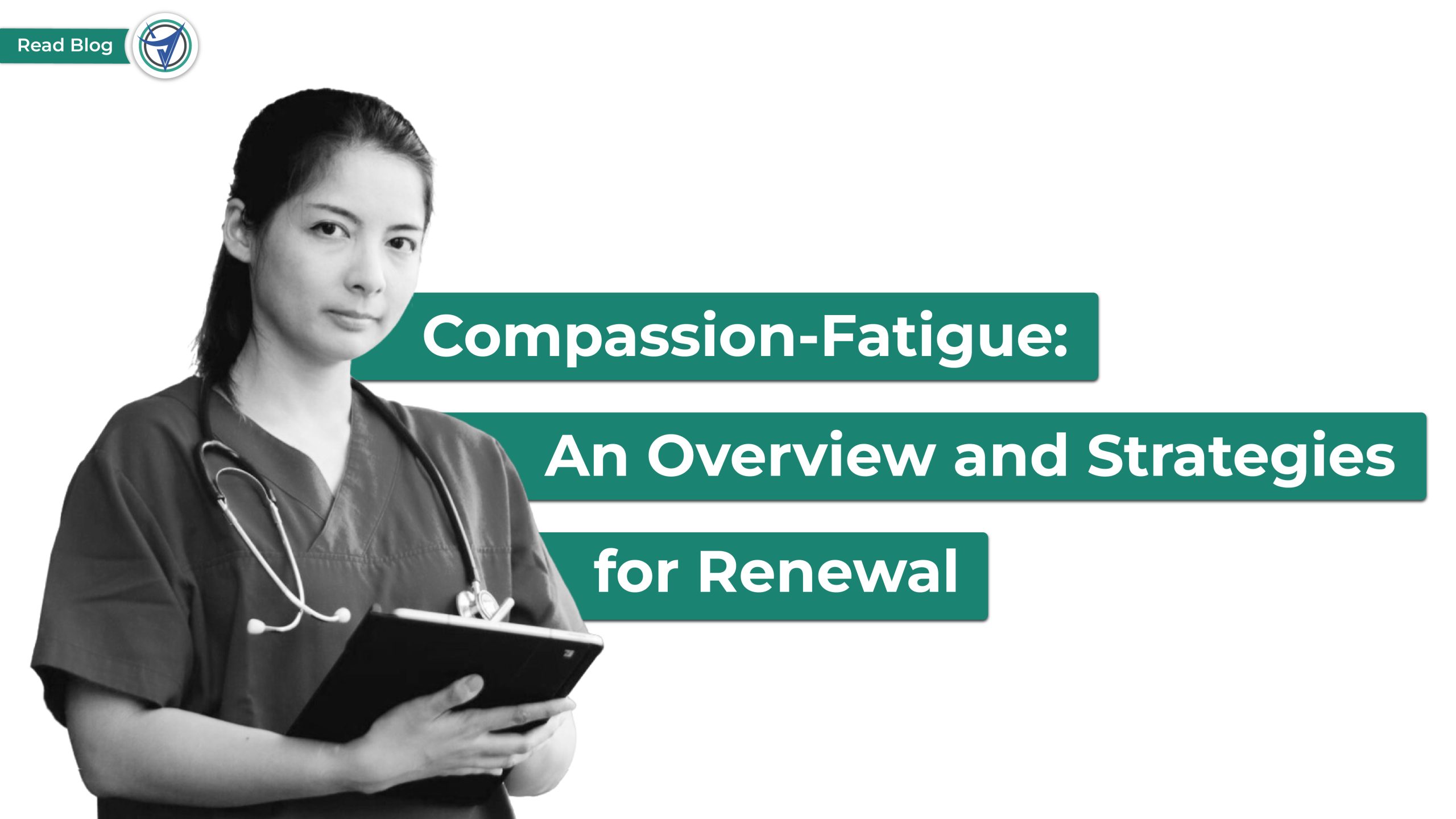
The Cost of Caring: Balancing Care and Self-Care
There is no doubt that healthcare professionals deserve a lot of praise for their unwavering dedication to tending to sick and injured individuals, providing solace, and keeping lives safe.
Caregiving can, however, take a heavy toll on the emotional and mental well-being of those who perform the roles, leading to conditions such as burnout or compassion fatigue, which we will discuss in this blog.
As healthcare practitioners constantly encounter suffering and trauma from patients, they are at increased risk of compassion fatigue. In addition to hearing accounts of harrowing experiences, they often encounter individuals with terminal illnesses, injuries, and acute pain.
The ongoing exposure to trauma can have a significant impact on healthcare workers’ emotional equilibrium.
What is compassion fatigue?
As a result of prolonged immersion in the suffering and trauma of patients, compassion fatigue may result in emotional, physical, and psychological exhaustion.
Often called “the cost of caring,” it can be particularly debilitating for healthcare providers who are chronically confronted with illness, pain, and mortality.
Unlike burnout, which arises from excessive work demands, compassion fatigue relates to the emotional labor involved in caring for others.
As a result of exposure to various forms of patient trauma, compassion fatigue gradually develops in individuals. This accumulation occurs steadily due to repeated encounters with traumatic situations. Left unaddressed, it can lead healthcare professionals to neglect both themselves and others in their lives as a result of depleting their compassion reservoirs and skills.
The types of trauma healthcare professionals encounter can be categorized into three main forms:
1. Primary Trauma:
This type of exposure occurs when healthcare providers witness or administer treatment to individuals who have undergone catastrophic events or when their duties place them directly in harm’s way. Examples include emergency medical personnel, disaster responders, or those in the field of military medicine.
2. Secondary Trauma:
Secondary trauma arises when healthcare professionals bear witness to the traumatic experiences of others as a consequence of their work, such as providing care to individuals who have sustained emotional or physical injuries.
3. Vicarious Trauma:
This form of trauma exposure arises from repeatedly hearing accounts of traumatic events experienced by others.
Apart from exposure to various forms of trauma, healthcare professionals may also experience compassion fatigue due to other contributing factors.
Firstly, a sense of powerlessness stemming from limited resources or systemic issues can lead healthcare providers to feel helpless and incapable of delivering the level of care they desire.
Secondly, owing to the nature of their profession, healthcare practitioners often invest a significant amount of emotional energy in their patients, which can result in emotional exhaustion and contribute to compassion fatigue.
Lastly, the demanding work schedules and high workloads common in healthcare settings can exacerbate stress levels, rendering individuals more susceptible to compassion fatigue.
Common Symptoms of Compassion Fatigue can manifest in a variety of ways, with symptoms varying from person to person.
Some prevalent indicators of compassion fatigue include:
1. Physical Symptoms:
Persistent fatigue, headaches, insomnia or disrupted sleep patterns, changes in appetite, dizziness, and a compromised immune system.
2. Emotional Symptoms:
Mood fluctuations, feelings of detachment, sadness, irritability, anxiety, emotional numbness, increased self-blame, and a diminished sense of personal and professional fulfillment.
3. Behavioral Symptoms:
Increased absenteeism, withdrawal from social engagements, diminished productivity, feelings of isolation, and compulsive behaviors.
4. Cognitive Symptoms:
Difficulty concentrating, memory lapses, a pervasive sense of hopelessness, and alterations in worldview or spirituality.
In light of the fact that most healthcare professionals encounter some form of compassion fatigue during their careers, it is important to familiarize yourself with preventative measures that can assist in coping.
By adopting strategies to mitigate compassion fatigue, healthcare practitioners can safeguard their mental and emotional well-being while continuing to provide compassionate care to their patients.
Here are some strategies to consider:
1. Self-care:
Prioritizing self-care is essential for healthcare professionals. This entails ensuring adequate rest, regular exercise, consumption of a balanced diet, and engaging in activities that promote relaxation and enjoyment.
2. Asking for Support:
Engaging in discussions with colleagues or supervisors who may be experiencing similar challenges can offer invaluable support to healthcare providers.
3. Developing strategies for coping mechanisms:
Learning mindfulness techniques and resilience-building strategies such as yoga, meditation, or journaling can help healthcare professionals fortify their mental resilience and effectively navigate stressors while preserving emotional well-being.
4. Counseling:
Participating in talk therapy sessions with mental health professionals can alleviate psychological burdens and furnish indispensable guidance in coping with the emotional and mental stressors encountered in the healthcare field.
5. Establishing Boundaries:
Establishing clear professional boundaries enables healthcare providers to maintain a healthy work-life balance and mitigate emotional exhaustion. Knowing when to decline additional responsibilities or seek assistance is crucial in this regard.
Prevention is paramount. Encouraging self-care, fostering support networks, developing coping strategies, seeking therapy, and establishing boundaries are vital steps in safeguarding against compassion fatigue.
Through these proactive measures, healthcare professionals can nurture their own well-being while continuing to provide compassionate care to those in need.
Final say,
In the tapestry of healthcare, compassion is the thread that binds humanity together.
Yet, amidst the selfless giving, it’s essential to remember that healthcare professionals are not immune to the struggles they witness.
By shedding light on compassion fatigue and offering practical solutions, we embark on a collective journey towards healing and resilience, ensuring that the caregivers themselves receive the care they so tirelessly bestow upon others.
As organizations and leaders within the healthcare sector, it’s our responsibility to foster a culture that prioritizes the well-being of our healthcare workforce.
By implementing policies and initiatives that support mental health, promote work-life balance, and encourage open dialogue about the challenges faced, we can create environments where compassion thrives, and healthcare professionals can continue to fulfill their noble mission with vigor and compassion.
We’ve got your Back!
We have a family of recruiters ready to help you. We are privileged to be your business partner, as well as your trusted advisor, along the way.