
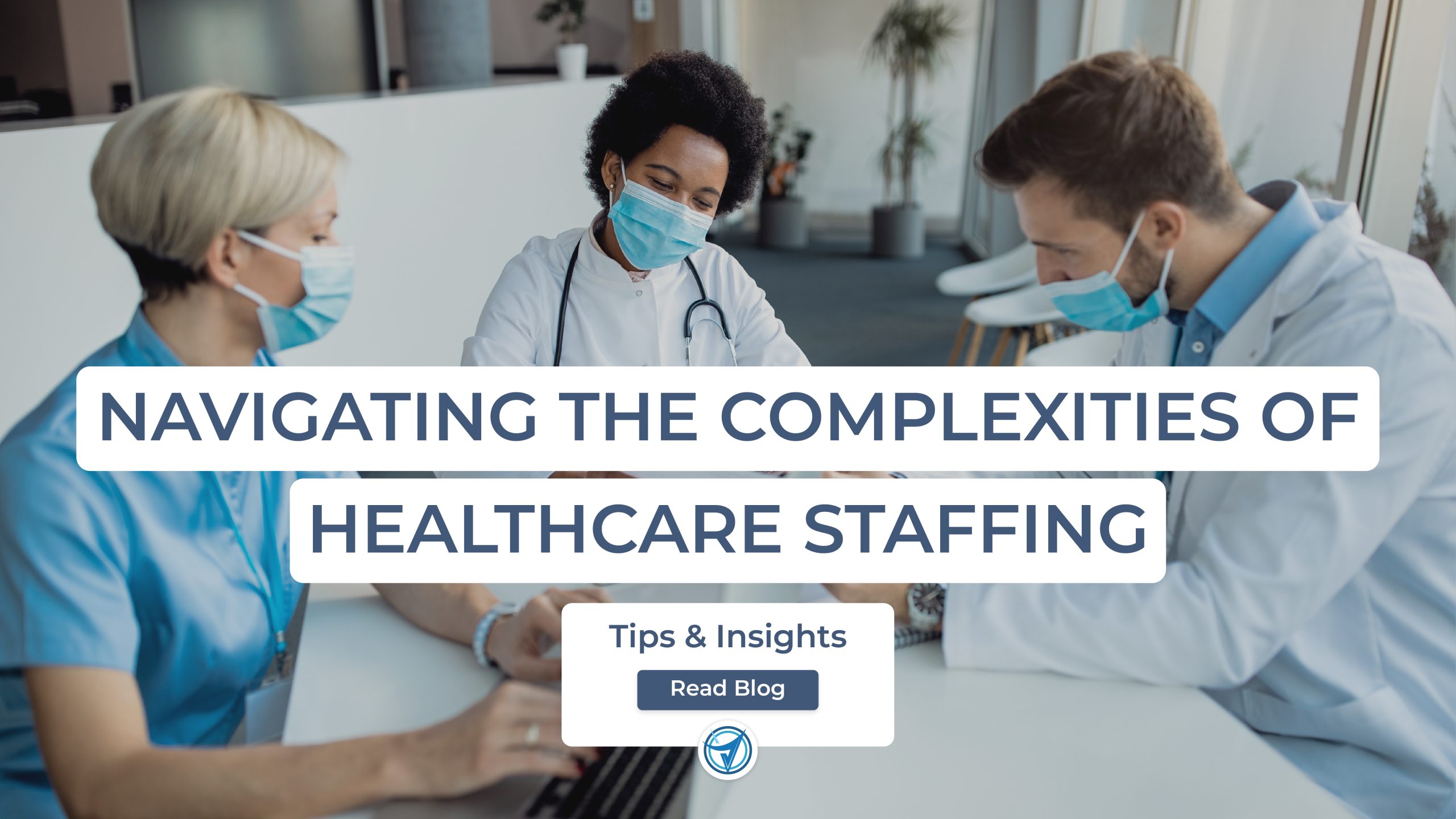
Navigating the Complexities of Healthcare Staffing: Tips and Insights
Healthcare staffing is a critical aspect of any healthcare facility. It can be a complex and challenging task for healthcare managers to ensure that they have enough staff to meet patient needs while also ensuring that they have a skilled and competent team.
The COVID-19 pandemic has made healthcare staffing even more challenging, with increased demand for healthcare professionals and healthcare facilities struggling to keep up with the surge in patients.
Navigating the complexities of healthcare staffing can be a daunting task for healthcare managers. However, with the right tips and insights, it is possible to create a successful healthcare staffing strategy that meets the needs of your healthcare facility and your patients.
In this blog post, we’ll explore some of the key tips and insights that can help healthcare managers navigate the complexities of healthcare staffing.
Tip #1: Advance Planning
Healthcare managers need to have a clear understanding of their staffing needs and ensure that they have enough staff to meet patient needs. This involves creating a staffing plan that takes into account patient volume, staff availability, and any upcoming events or holidays that may affect staffing levels.
One way to plan ahead is to use data to inform your staffing decisions. This involves collecting and analyzing data on patient volume, staff availability, and other factors that may impact staffing levels. By using data to inform your staffing decisions, you can create a staffing plan that is tailored to the specific needs of your healthcare facility.
Tip #2: Consider flexible staffing options
Flexible staffing options can be a great way to meet staffing needs while also ensuring that you have a skilled and competent team. This includes options such as temporary staffing, per diem staffing, and travel nursing. These options allow healthcare facilities to quickly and easily fill staffing gaps, while also providing opportunities for healthcare professionals to gain experience in different healthcare settings.
When considering flexible staffing options, it’s important to ensure that you are working with reputable staffing agencies that provide high-quality healthcare professionals. You should also consider the cost of these options and ensure that they fit within your healthcare facility’s budget.
Tip #3: Invest in staff training and development
Investing in staff training and development is crucial for creating a skilled and competent healthcare team. This involves providing ongoing training and development opportunities for healthcare professionals, as well as creating a culture of learning and development within your healthcare facility.
By investing in staff training and development, you can help your healthcare professionals stay up-to-date on the latest healthcare trends and best practices. This can also help to improve patient outcomes, as healthcare professionals will have the skills and knowledge they need to provide high-quality care.
Tip #4: Use technology to streamline staffing processes
Technology can be a valuable tool for healthcare managers looking to streamline their staffing processes. This includes using software to automate scheduling, tracking staff availability, and managing staffing requests.
By using technology to streamline staffing processes, healthcare managers can save time and reduce the risk of errors. This can also help to improve staff satisfaction, as healthcare professionals will have a clearer understanding of their schedules and staffing needs.
Tip #5: Foster a positive work environment
Creating a positive work environment is essential for retaining healthcare professionals and ensuring that they are motivated and engaged in their work. This involves creating a culture of respect, communication, and teamwork within your healthcare facility.
One way to foster a positive work environment is to involve healthcare professionals in decision-making processes. This can help to create a sense of ownership and engagement among staff, which can improve job satisfaction and reduce turnover.
Insight #1: Healthcare staffing is an ongoing process
Healthcare staffing is not a one-time event, but an ongoing process that requires constant attention and evaluation. Healthcare managers need to regularly assess staffing needs, evaluate staffing strategies, and make adjustments as needed.
Insight #2: Staffing levels impact patient outcomes
Staffing levels can have a significant impact on patient outcomes. When healthcare facilities are understaffed, healthcare professionals may be overworked, which can lead to burnout, fatigue, and increased stress levels. This can have a negative impact on patient care, as healthcare professionals may not be able to provide the level of care that patients require.
On the other hand, when healthcare facilities are adequately staffed, healthcare professionals are able to provide high-quality care, which can lead to improved patient outcomes. Adequate staffing levels can also improve staff satisfaction, which can reduce turnover and help to create a positive work environment.
Insight #3: Healthcare staffing is a team effort
Healthcare staffing is not just the responsibility of healthcare managers, but of the entire healthcare team. Healthcare professionals need to work together to ensure that staffing needs are met and that patients receive the care they need.
This involves creating a culture of teamwork and collaboration within your healthcare facility. Healthcare professionals should be encouraged to work together, share knowledge and expertise, and support one another to ensure that patients receive the best possible care.
In conclusion,
Navigating the complexities of healthcare staffing can be a challenging task for healthcare managers. However, by following these tips and insights, healthcare managers can create a successful healthcare staffing strategy that meets the needs of their healthcare facility and their patients.
Planning ahead, considering flexible staffing options, investing in staff training and development, using technology to streamline staffing processes, and fostering a positive work environment are all key components of a successful healthcare staffing strategy.
By working together as a team and regularly assessing staffing needs and strategies, healthcare facilities can ensure that they have a skilled and competent team that is able to provide high-quality care to their patients.
We’ve got your Back!
We have a family of recruiters ready to help you. We are privileged to be your business partner, as well as your trusted advisor, along the way.